

I Felt Fine but My Liver was Failing
Dangerously elevated labs discovered in Tokyo, the illusion of invincibility, and what happens when your body writes a reality check you can't ignore.
I’m writing this from California, a couple of weeks after my liver decided we needed to have a conversation. There were no early warning signs. I just felt like something was off. I skipped my visit to the shrine and went to my Tokyo clinic for a health screening instead.
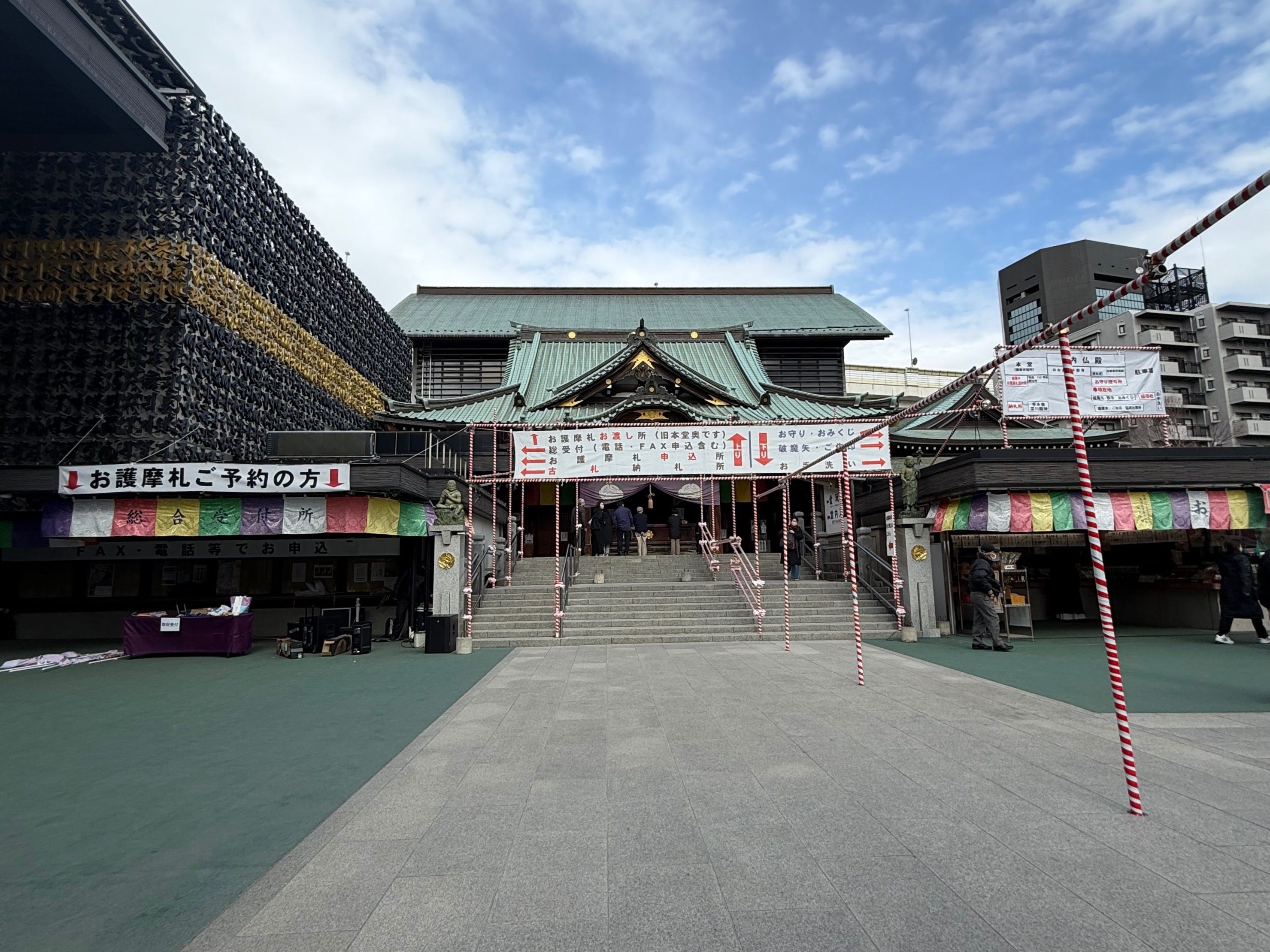
I’d been in Japan for most of January, immersed in spiritual practices most tourists never see. I experienced goma fire ceremonies at Fukagawa Naritasan. There, monks chant mantras over flames to burn away obstacles. I collected sacred amulets at hidden temples and learned about Fudō Myōō, the Immovable Wisdom King.
This feeling didn’t go away. It grew until I couldn’t ignore it any longer, prompting me to visit the clinic.
I was called back into the office to receive this news, and I felt as if I had completely blacked out. The doctor was direct. She suspected a liver tumor and instructed me to visit the ER upon arrival in the US. My liver enzymes were 15-20x above normal, which was dangerously high. I was stunned, having always a clean bill of health. One careless move could mean serious consequences, even liver failure.
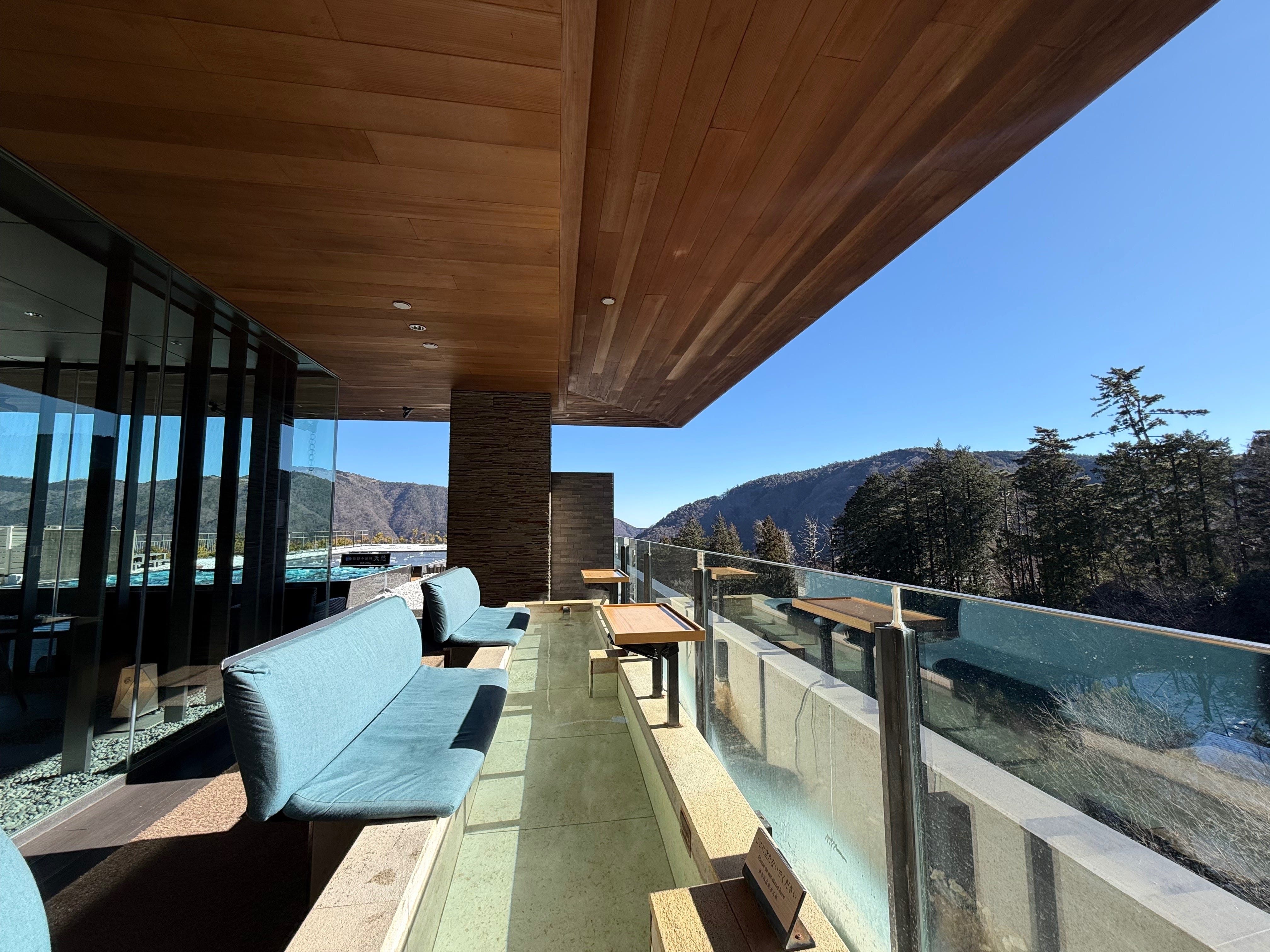
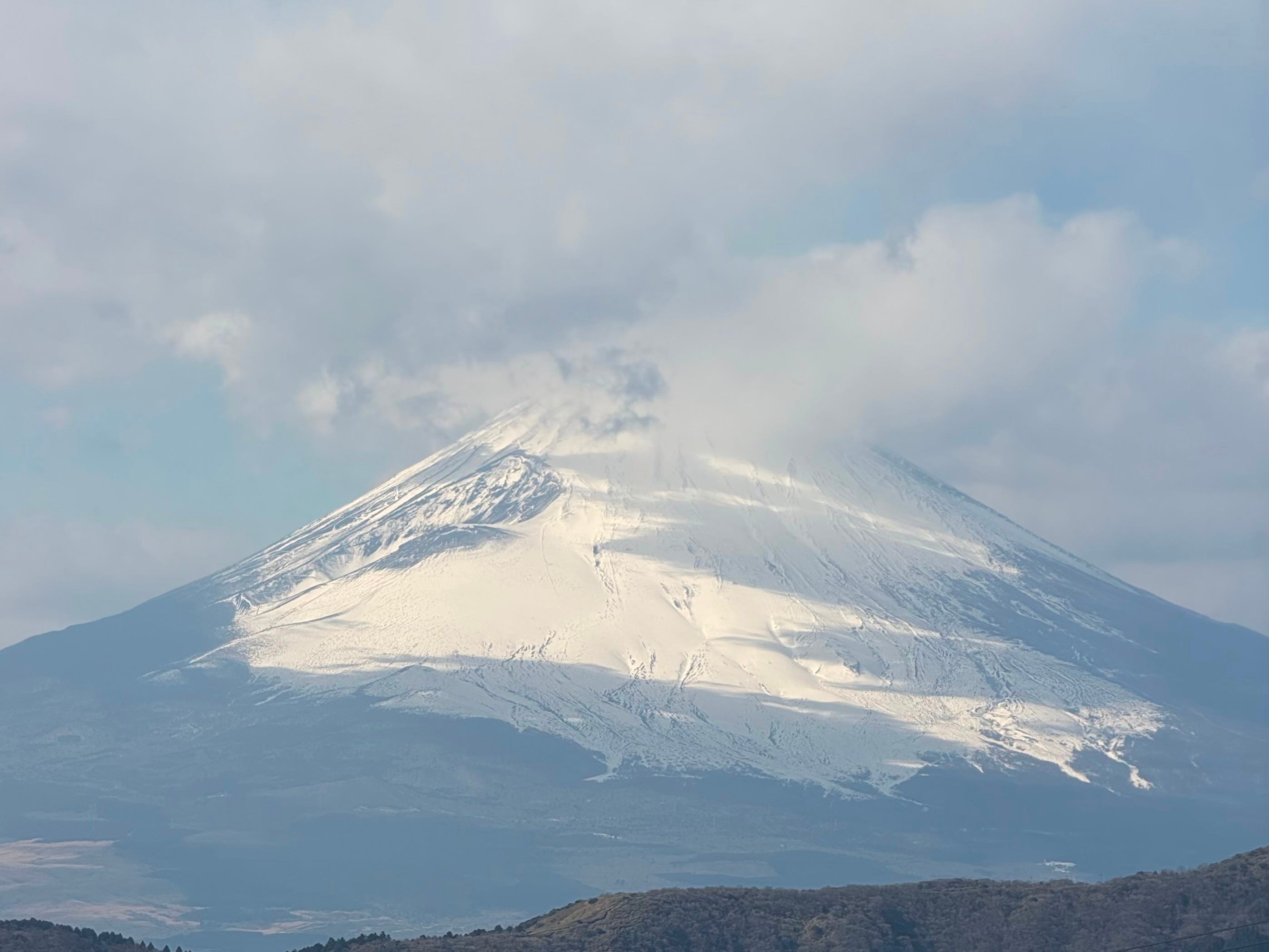
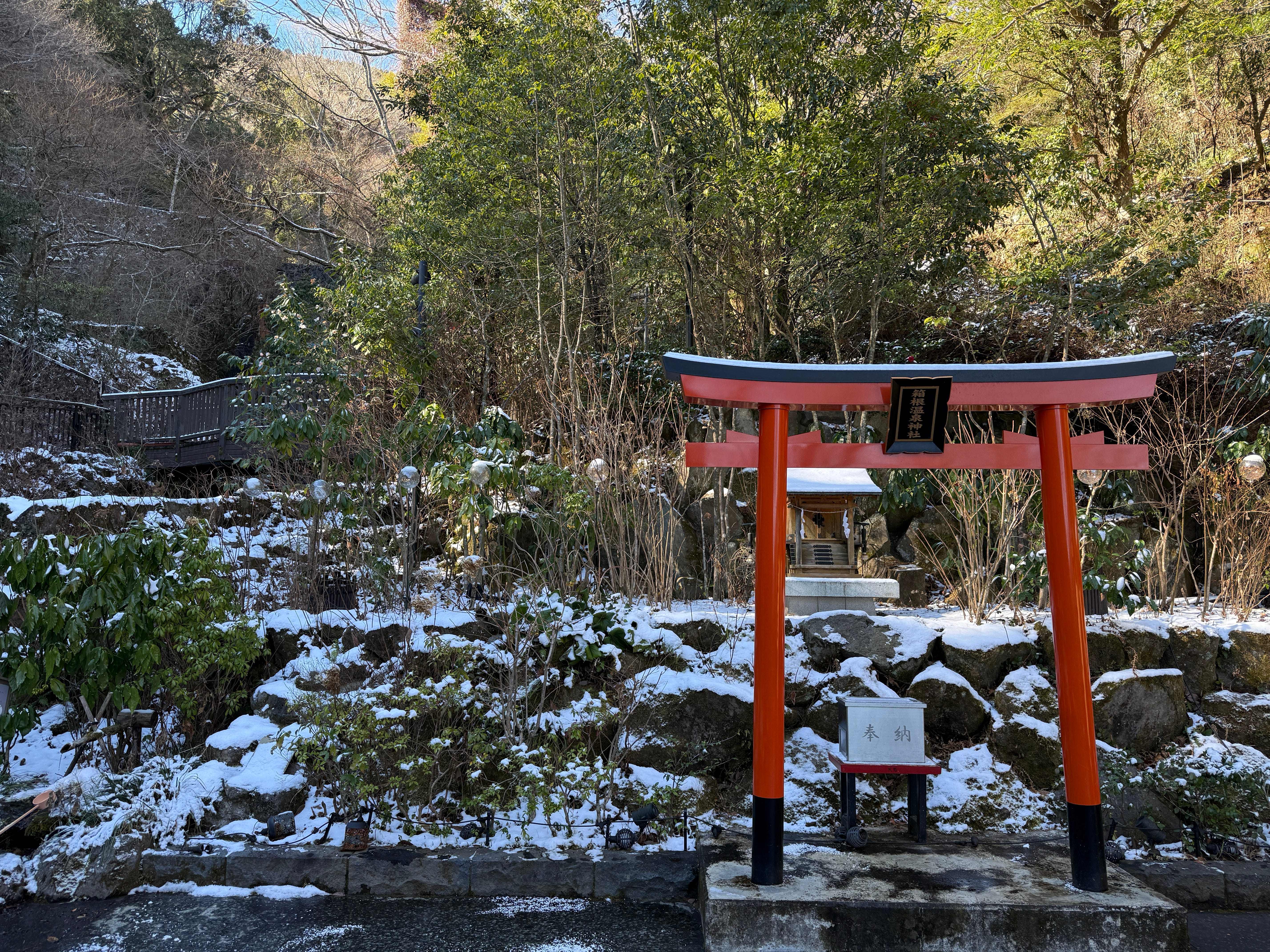
My Hakone onsen trip was already booked, where I was spending a few days at Hakone Kowakien Ten-yu, an authentic Japanese ryokan property with its own shrine dedicated to prosperity and protection.
I had plans for the volcanic valley at Ōwakudani, a day trip to Osaka via Shinkansen to explore Dotonbori’s neon chaos and Shinsekai’s retro charm. Now these plans hung in uncertainty.
Your body will make you listen, even when you think you’re invincible.
The Conversation That Doesn’t Go as Planned
I went to Hakone (carefully). Soaked in mineral waters. People have sought these for centuries for their healing properties. I experienced the famous black eggs at Ōwakudani, which legend says add seven years to your life. The irony wasn’t lost on me. Here I was, collecting longevity talismans while my liver was staging a quiet rebellion.
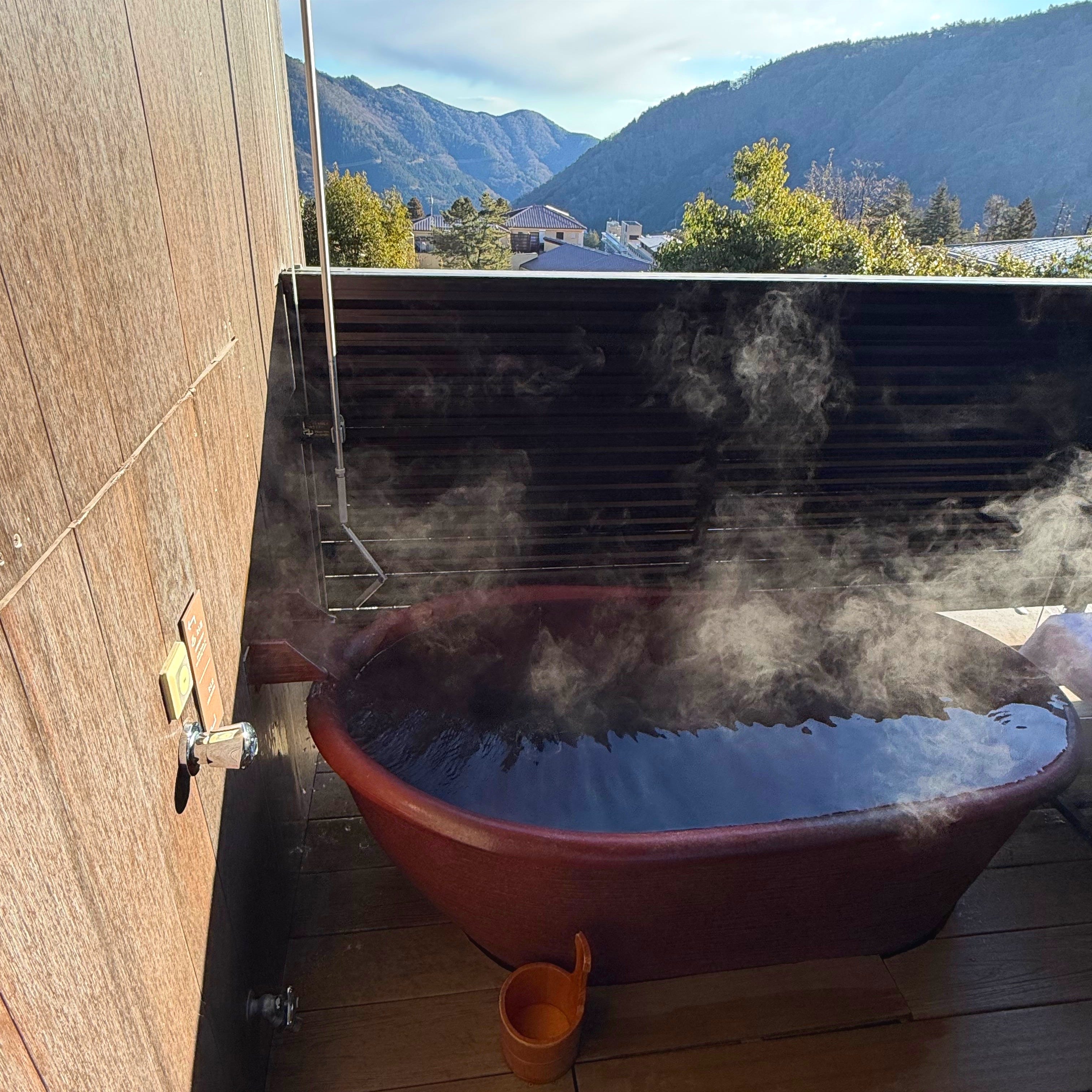
The Hakone ryokan property sits tucked into the mountains. Steam rises from natural hot springs that have drawn people for generations. I’d wake up early to watch the sunrise, then step out onto my private open-air onsen overlooking the mountains in the dead of winter. The air was cold enough to see my breath. The water was hot enough to turn my skin pink within minutes. I’d sit there, watching the mist curl upward into bare tree branches. I kept thinking about what the doctor had said. I tried to reconcile feeling completely fine with numbers that suggested otherwise.
There’s something about being in hot water that changes your thinking. Maybe it’s the way your body relaxes despite yourself. You can’t rush anything when you’re that warm. I kept replaying the clinic moment. I saw the doctor’s face again and again. She repeated “immediate rest,” as if I might not understand what those words meant.
I understood. I just didn’t want to.
What Tokyo Taught Me About Attention
I’d been moving through Tokyo with intention. Always moving toward the next temple, the next practice, the next layer of understanding.
I witnessed my first goma fire ceremony. Monks in traditional robes chanted mantras while flames consumed wooden sticks inscribed with prayers and obstacles people wanted released. The fire burns away what no longer serves you, and the smoke carries intentions upward. I sat there for nearly an hour, mesmerized by the ritual’s precision. Ancient practice meets present need.
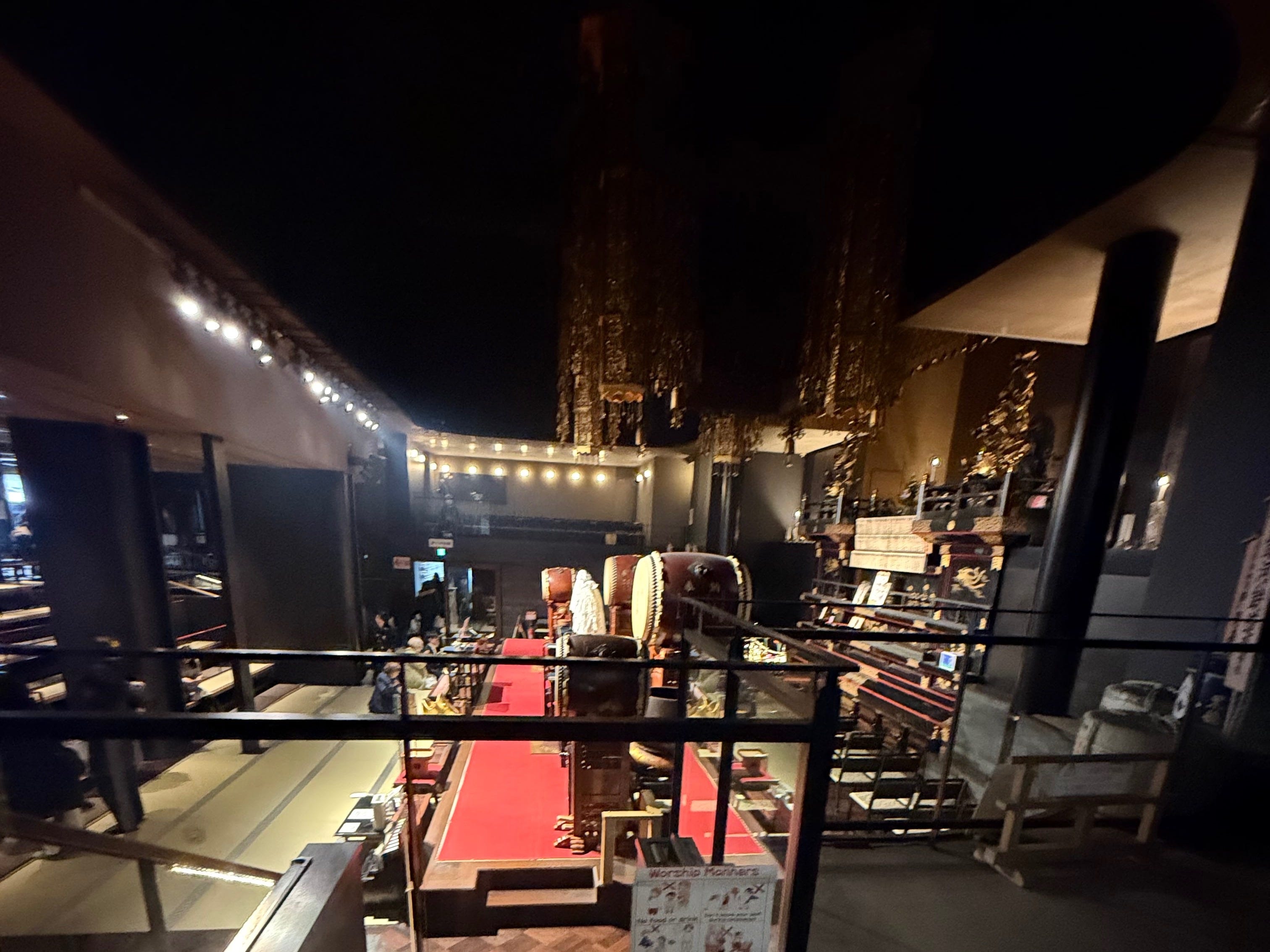
The temple was bigger than I expected. It was tucked into a residential neighborhood, where salarymen in suits walked past on their way to the train station. Inside, the air was thick with incense and heat from the fire. The head monk moved with an economy of motion that comes from decades of repetition. Each stick is placed in the flames at exactly the right moment. Each mantra is timed to the rhythm of burning.
I remember thinking, “This is what mastery looks like.” Showing up to the same fire, the prayers, the practice, day after day after day. Just consistent presence.
I’d light incense and collect omamori (sacred amulets) as tools for practice. I was learning the esoteric meanings behind practices that have sustained people for centuries.
At the Hakone ryokan, a shrine stood on the grounds. It was dedicated to prosperity and protection. This was exactly what I needed. I’m developing the idea I landed on last fall about building emotionally adaptive AI that actually serves people’s well-being.
This idea came to me in October. A download, really. I was sitting alone, and suddenly I saw it clearly: most AI systems are optimized for engagement or efficiency, when what people actually need is technology that recognizes when they’re overwhelmed, stressed, or need support. Something that adapts to your emotional state rather than treating every human interaction as if it were happening in a neutral context.
The more I research, the more I realize how rare this approach is. I want to build something different. Something that helps people feel more human, more supported, more seen.
In Osaka, I rode the Shinkansen (the bullet train) just to experience the speed. Later, I spent the day deliberately slowing down. I wandered Shinsekai’s retro charm. At night, I got lost in the neon chaos of Dotonbori. I ate Michelin-level sushi at Sukiyabashi Jiro in Ginza, savoring each piece as if in meditation.


Japan was teaching me something about the relationship between intensity and depth. I just didn’t realize the lesson would continue in a medical clinic with unexpected lab results.
What Actually Changed
Back in the Bay Area in early February, I completed follow-up bloodwork and addressed my medical needs before returning to Arizona. The results were positive: one enzyme level normalized, the others fell by more than half.
The relief I felt seeing those numbers was physical. I hadn’t realized how tightly I’d been holding my breath, waiting to find out if this was temporary or if I’d fundamentally broken something.
My mornings now start with golden milk (turmeric, black pepper, warm oat milk). My meals center around salmon, lentils, walnuts, and leafy greens. I’m researching and learning more about functional medicine and Traditional Chinese Medicine. I’m learning that stress and nervous system dysregulation can show up in your bloodwork, with numbers that demand attention.
I’ve become the person who reads ingredient labels at the grocery store. I ask questions about cooking oils at restaurants. Six months ago, I would have rolled my eyes at that version of myself. Now, I’m just grateful she exists.
You don’t get to choose the timing around your travel schedule, your business development, or the intentions you set at the beginning of the year.
There’s an astrological signature to all of this. I can’t ignore it. Saturn and Neptune are meeting up in late February at what’s called a conjunction. Think of it as two planets having a meeting at the same cosmic address. This happens once every 36 years or so.
Saturn is the taskmaster of the zodiac, the planet that asks: What are you building that will last? What structures support your life? Where do you need more discipline?
Neptune is the dreamer, the planet that connects us to intuition, spirituality, and meaning. Neptune asks: “What are you devoted to?” What gives your life purpose? Where do you need to trust what you can’t see?
When these two meet up, you get this fascinating tension between work and trusting the process.
They’re meeting in the part of my chart that governs home, emotional foundations, and the inner world. The astrologer I consulted called it “the basement of your chart.” It’s the invisible foundation on which everything else is built. This conjunction is happening at what’s called a World Point—0° of a cardinal sign. It’s less about individual shifts and more about collective transformation. It lands differently in each person’s life.
Mine showed up through my liver, apparently deciding that if I wasn’t going to voluntarily address my foundation, my body would force the conversation.
I didn’t need astrology to tell me something was shifting. My body was already several steps ahead. The chart just helped me understand the architecture of what was happening, why this moment, and why this way.
The Work Doesn’t Pause
While I’m redesigning my diet and learning about liver meridians and nervous system regulation, I’m also developing the vision I landed on last fall: emotionally adaptive AI that actually understands and responds to human well-being.
The work requires me to be at my sharpest, most grounded, most present. Which is exactly what I’m learning through this health situation: presence isn’t optional. Your body will make it mandatory if you ignore it long enough.
I’m applying for roles that align with a decade of behavioral science expertise, researching systems that will support the work ahead. Yes, I’m still preparing for my move to the Bay Area more slowly than I wanted, getting the place I’ll be living in ready and thinking through what I actually need versus what I’ve been carrying.
I’ve been doing this mental inventory of what comes with me and what stays behind. Turns out, health crises make excellent motivation to declutter.
Life keeps moving. You just learn to do it differently, from a place that honors the body’s wisdom.
The Foundation of Change
I started this year with intentions about how I wanted to feel, how I wanted to build, and what kind of life I wanted to live.
Work that compounds instead of constantly starting over.
Relationships where showing up feels natural.
A life where ease and ambition can coexist.
I’m learning to live in my actual life instead of perpetually preparing for the one I imagine will come. This is harder than it sounds. I’ve spent years in preparation mode, always getting ready for the next thing, the next level, the next version of myself. Living in the present tense feels vulnerable in a way that planning for the future never does.
I’m establishing that my body’s calm is non-negotiable, and that everything I build must grow from that grounded place. I’m integrating spiritual practice to stay steady while reality asks me to evolve.
Japan awakened something specific in me. The awakening didn’t end when I boarded the plane home.
It’s continuing in my kitchen now as I make liver-healing meals. In the daily rituals I’ve established: lighting incense, working with the protection practices I learned, treating my spiritual life with the same seriousness I bring to my professional one.
Venus has been moving through different areas of my chart over the past few weeks. By late February, there’s an alignment that encourages self-acceptance, which changes how I show up everywhere else. These alignments are showing up as concrete choices about rest, boundaries, and what I’m willing to tolerate.
I’ve started saying no to things that six weeks ago I would have said yes to.
Late-night calls that could happen during business hours.
Projects that sound interesting when described by someone else.
Invitations that feel more like obligations.
Each one feels like reclaiming a small piece of energy I’d been bleeding out without noticing.
What I’m Carrying Forward
I’m a couple of months into this year. My liver is healing through the choices I make multiple times a day. My vision for emotionally adaptive AI is becoming clearer as I research, connect with people in the field, and think strategically about what needs to exist in society. My spiritual practice is deepening through daily implementation. My move to the Bay Area is taking shape with more groundedness than I’ve brought to any transition before.
None of it looks like I thought it would.
I’m learning to trust what’s actually here over what I imagine could be. I’m responding to my emotions without letting them dictate every decision. I’m building something that matters without sacrificing my health.
Sometimes the most powerful transformation is the one that finds you when you’re barely looking. When you’re soaking in an onsen, processing unexpected news. When you’re learning that your body knows things your ambition keeps trying to ignore.
The goma fire ceremony taught me that release requires heat, attention, and intention. You don’t just wish obstacles away. You deliberately place them in the fire, watching them burn and letting the smoke carry what remains upward.
My liver handed me an obstacle I couldn’t ignore. Maybe that was its own kind of ceremony. Maybe my body was burning away what no longer served me, even if my mind wasn’t ready to let go yet.
I’m processing what this all means and learning what it looks like to build from a more grounded place, and figuring out how to hold both ambition and rest, vision and presence, the work I want to do and the body that needs to do it.
Some questions to sit with:
When has your body interrupted your plans with something you couldn’t ignore? What did you learn about the relationship between listening and timing? Take a few minutes to write about it. You might be surprised by what surfaces.
Until next time,
🖤 Joni @ The Rebirth Files
Want to connect? Send me a message on Instagram.